
Mastering the Essentials of Interior Design
- Jeff Parker
- Nov 3, 2025
- 3 min read
Interior design is more than just decorating a space. It is about creating an environment that reflects personality, enhances functionality, and promotes comfort. Whether you are redesigning a single room or an entire home, understanding the essentials of interior design basics is crucial. This guide will walk you through the fundamental principles and practical tips to help you master the art of interior design.
Understanding Interior Design Basics
Before diving into colors, furniture, or lighting, it’s important to grasp the core elements that make up interior design. These basics serve as the foundation for any successful project.
Space Planning
Space planning is the process of organizing furniture and decor within a room to optimize flow and usability. Start by measuring your space accurately. Consider the purpose of the room and how many people will use it regularly. For example, a living room designed for family gatherings will need more seating and open space than a reading nook.
Use furniture that fits the scale of the room.
Leave enough walking space between pieces (usually 2-3 feet).
Create zones for different activities, such as dining, lounging, or working.
Color Theory
Color sets the mood and tone of a room. Understanding color theory helps you choose palettes that complement each other and evoke the desired emotions.
Warm colors like reds, oranges, and yellows create energy and warmth.
Cool colors such as blues, greens, and purples promote calm and relaxation.
Use the 60-30-10 rule: 60% dominant color, 30% secondary color, and 10% accent color.
Test paint samples on your walls before committing.
Lighting
Lighting affects how colors and textures appear and influences the ambiance. Layer your lighting with three types:
Ambient lighting - general illumination (ceiling lights, chandeliers).
Task lighting - focused light for activities (desk lamps, under-cabinet lights).
Accent lighting - highlights features (spotlights, wall sconces).
Natural light should also be maximized by using sheer curtains or strategically placing mirrors.

Choosing Furniture and Textiles
Furniture and textiles are the backbone of interior design. They provide comfort, style, and texture to your space.
Selecting Furniture
When choosing furniture, consider both aesthetics and functionality. Opt for pieces that complement your design style but also meet your daily needs.
Invest in quality basics like sofas and beds.
Mix materials such as wood, metal, and glass for visual interest.
Choose furniture with clean lines for a modern look or ornate details for a traditional feel.
Modular furniture can be great for small spaces.
Incorporating Textiles
Textiles add warmth and softness. Use a variety of fabrics in different textures and patterns to create depth.
Layer rugs, cushions, and throws.
Choose durable fabrics for high-traffic areas.
Coordinate colors with your overall palette but don’t be afraid to add bold patterns as accents.
Enhancing Your Space with Accessories and Art
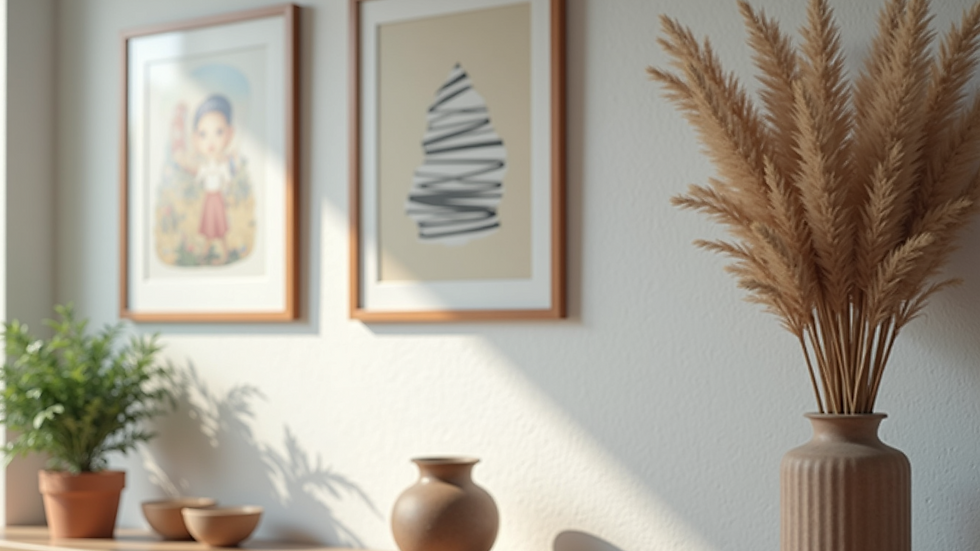
Accessories and art bring personality and character to your interiors. They are the finishing touches that make a space feel complete.
Selecting Accessories
Use decorative items like vases, candles, and books to add interest.
Group items in odd numbers for a balanced look.
Avoid clutter by rotating accessories seasonally.
Choosing Art
Art can be a focal point or a subtle complement.
Select pieces that resonate with your style and color scheme.
Consider scale and placement; large art works well on big walls, while smaller pieces suit cozy corners.
Mix framed prints, paintings, and sculptures for variety.
Practical Tips for a Successful Interior Design Project
Mastering interior design basics also means knowing how to approach your project efficiently.
Set a budget - Determine how much you want to spend and prioritize accordingly.
Create a mood board - Collect images, colors, and textures that inspire you.
Plan in phases - Start with major elements like paint and furniture, then add accessories.
Hire professionals when needed - For complex projects, consider interior design services to ensure expert guidance.
Be patient - Good design takes time; don’t rush decisions.
Bringing It All Together
Mastering the essentials of interior design basics empowers you to create spaces that are both beautiful and functional. By understanding space planning, color theory, lighting, furniture selection, and accessorizing, you can transform any room into a harmonious environment. Remember to plan carefully, stay true to your style, and enjoy the creative process. Your home is a reflection of you - make it a place you love to live in.


Comments